The Best Countertops for Redding's Extreme Heat and Sun
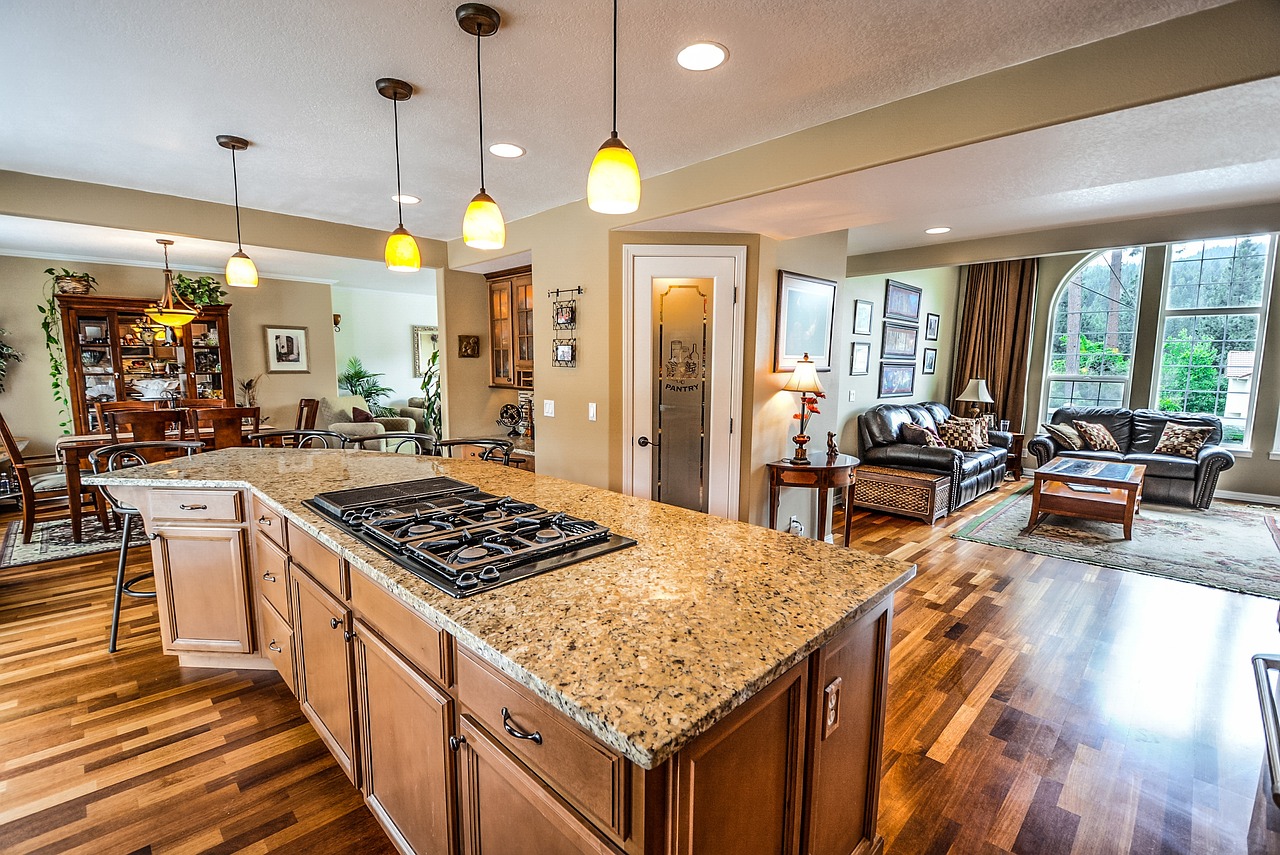
Redding sits at the north end of the Sacramento Valley, where triple-digit afternoons stretch across much of the summer and the sun stays high and direct for weeks at a time. That climate does something to countertops that showrooms in cooler cities never have to think about. A slab that looks flawless indoors can behave very differently on a west-facing patio in July, and a material chosen only for color or price can fade, warp, or crack once Redding's heat and ultraviolet load get to work on it. This guide looks at countertops the way a Redding summer does, by how they handle sustained heat, harsh direct sunlight, and the dry swings between a scorching day and a cooler night.
Why Redding's climate is a countertop problem, not just a comfort one
Most of the year Redding is dry, and in summer it is genuinely one of the hottest cities in California. Surface temperature matters more than the number on the thermometer. A dark stone or a dark engineered slab in full sun can climb well past the air temperature, sometimes reaching levels hot enough to be uncomfortable to touch. Two forces are at play. The first is ultraviolet exposure, which breaks down the binders and pigments in some materials over months and years. The second is thermal load, both the steady baking of an all-day sun and the sharp shock of a hot pan set down on a surface that is already warm. Indoors these forces are muted by walls and window coatings. Outdoors, in an open patio kitchen, they are fully in play, and the choice of material becomes the difference between a surface that lasts a decade and one that looks tired in two summers.
Ultraviolet fade: the quiet failure
Fade is slow, so it rarely gets blamed on the material. A homeowner notices after a couple of years that the counter near the window looks lighter than the section under the upper cabinets, and assumes it was always that way. It was not. Natural stone such as granite and quartzite gets its color from minerals formed under heat and pressure, and those pigments are stable under sunlight. That stability is the single biggest reason natural stone dominates outdoor installations in hot, sunny regions. Engineered quartz is a different story. It is roughly ninety percent ground stone bound together with a polymer resin, and both the resin and many of the added pigments are sensitive to ultraviolet light. In a shaded indoor kitchen that sensitivity almost never shows. On a sunny Redding windowsill or an open patio it can show as yellowing, dulling, or uneven lightening within a few seasons.
Heat tolerance: what actually happens when it gets hot
Heat affects a countertop in two separate ways, and it helps to keep them apart. Sustained heat is the all-day warming of a surface sitting in the sun. Thermal shock is the sudden, local jump when a pot straight off the burner meets a cooler slab. Natural stone shrugs off both fairly well because it is inorganic and was formed at high temperatures to begin with. Porcelain, a newer option milled into large slabs, is fired in a kiln and is extremely heat stable, which is why it has become a favorite for outdoor use. Engineered quartz is the weak point again. Its resin binder softens and can scorch or discolor with direct high heat, and the same resin expands and contracts more than stone does, which makes it more prone to trouble under big temperature swings.
Heat and ultraviolet resistance at a glance
| Material | Direct sun and UV fade | Sustained heat | Hot pan, thermal shock | Redding outdoor use |
|---|---|---|---|---|
| Granite | Very stable, minimal fade | Excellent | Handles brief contact well | Strong choice |
| Quartzite | Very stable | Excellent | Very good | Strong choice |
| Porcelain slab | Excellent, UV stable | Excellent | Excellent | Strong choice |
| Concrete, sealed | Stable, can need resealing | Good | Good | Workable with maintenance |
| Engineered quartz | Can fade or yellow in sun | Weak, resin softens | Poor, can scorch | Indoors, away from direct sun |
Indoors in Redding: quartz still works, with placement in mind
None of this means engineered quartz is a bad indoor countertop in Redding. Away from direct sun it is one of the most practical surfaces available, since it is nonporous, never needs sealing, and resists staining from the oils and acids of everyday cooking. The trap is placing it where Redding's light lands hardest. A quartz island under a large west-facing window, or a run of quartz beside an uncovered slider, gets far more ultraviolet exposure than the same material along an interior wall. If a homeowner loves quartz, the smart move is to reserve it for the shaded parts of the kitchen and to lean toward natural stone or porcelain anywhere the summer sun reaches directly. Window coatings and low-emissivity glass reduce the ultraviolet load and buy the material more life, but they do not remove the difference between a sunlit and a shaded position.
Outdoor kitchens: where the material choice is unforgiving
An outdoor kitchen in Redding faces the full climate with nothing between the counter and the sky. This is where the wrong material shows its limits fastest, and where the right one pays off for years. Granite, quartzite, and porcelain are the surfaces that hold up to constant sun, big daily temperature swings, and the heat of a working grill nearby. Porcelain has grown popular because it combines ultraviolet stability with strong heat tolerance and a light weight that suits patio structures. Concrete can work outdoors and gives a distinctive look, but it needs a good sealer and periodic resealing to stay its best under the sun and dryness. Engineered quartz is the one material most fabricators steer customers away from for open outdoor use in a climate like this, precisely because both of its weak points, ultraviolet sensitivity and heat sensitivity, are exactly what a Redding patio delivers.
Color, finish, and how hot the surface gets
Beyond the material itself, two choices change how a counter behaves in the sun. Color is the first. A dark surface absorbs more sunlight and runs hotter to the touch than a light one, which matters on a patio counter people actually lean on and set food down on. Lighter granites and lighter porcelain slabs stay noticeably cooler in direct sun. Finish is the second. A polished surface reflects more light and tends to show fade contrast more visibly, while a honed or textured finish hides small changes better and can feel less blinding under a high summer sun. For an outdoor counter that will live in direct light, a lighter color in a honed or leathered finish is often the more comfortable and forgiving combination.
Sealing and upkeep in a dry, sunny climate
Redding's dryness is easy on countertops in one way, since there is little of the moisture and mildew pressure that humid regions deal with. But the porous natural stones still benefit from sealing, and the sun and dryness can shorten how long a sealer lasts on outdoor surfaces. A simple water test tells the story: drops that soak in and darken the stone mean it is time to reseal, while drops that bead mean the seal is still doing its job. Porcelain and engineered quartz are nonporous and skip this step entirely. For any outdoor stone, an annual look at the sealer before the peak of summer is a reasonable habit in this climate.
Matching the material to where it will live
The practical way through all of this is to stop asking which countertop is best in general and start asking which countertop is best for a specific spot in a specific house in Redding. A shaded interior kitchen has room for almost anything, including quartz. A bright, sun-filled kitchen with large unshaded windows leans toward natural stone and porcelain. A fully exposed outdoor kitchen belongs to granite, quartzite, and porcelain, with concrete as a maintenance-willing option. Redding's heat and sun narrow the field in a way milder climates never force, and a choice made with that in mind is one that still looks right many summers later.